The 2026 rental market of Cape Town continues to show growth in Airbnb and long-term rentals. Both these rental strategies target visitors looking for an accommodation to rent but for different needs and preferences.
Short-term rentals are more common in tourist locations and can maximise income while longer stays deliver greater stability with consistent monthly returns. It’s important for property owners to understand the difference between the two types of rentals to help them create the right listing and know what is expected from them.
Host Agents is a property management company that offers short-term rentals services in Cape Town, aiming to help first-time and seasoned property owners manage day-to-day responsibilities of their Airbnb properties. Our solutions consist of guest interaction, property maintenance, cleaning, and creating engaging listings that help boost bookings.
What Is Airbnb (Short-Term Rentals)
Airbnb properties are commonly leased for short periods of one night to a few weeks. These short-term rentals are often booked through various platforms such as Airbnb, LekkeSlaap, and TripAdvisor. Airbnb also has the potential to generate higher returns, as they are often chosen by tourists who are looking for flexibility and convenience when searching holiday accommodation in well-known tourist destinations like Cape Town.
What Are Long-Term Rentals?
Long-term rentals refer to homes or apartments that are leased to tenants for extended stays, usually for six months to a year or more. These rentals differ from short-term stays because tenants reside in the property and pay a fixed monthly rent amount based on a signed lease agreement. This allows homeowners to benefit from a more stable monthly income and makes long-term stays suitable for anyone working remotely, relocating, or living in Cape Town for business purposes.
Short-Term vs Long-Term Rental Comparison
Income Potential
Short-term rentals offer homeowners the opportunity to generate higher returns on a nightly basis, making these rentals a perfect investment during peak season in popular tourist locations like Camps Bay, Sea Point, Bloubergstrand, and City Bowl. But it’s important to note that income can change based on seasonality, booking rates, and demand.
Airbnb properties also allow hosts to change occupancy rates based on demand and block out dates for personal use. This makes it possible for them to enjoy their accommodations during holidays or visits to Cape Town while still earning income throughout the year.
While long-term rentals provide consistent financial returns through monthly rent payments. These leases ensure stable earnings year-round, even with the seasonal changes in Cape Town.
Management Effort
Long-term rentals involve fewer day-to-day responsibilities, because the focus is mainly on the lease agreement. Homeowners are still responsible for occasional maintenance issues when needed, but the tenants maintain the property until the lease ends.
But for holiday rental properties, homeowners are expected to manage tasks such as listings, marketing, guest communication, and maintenance. Host Agents can handle all aspects of your rental property and help increase your rental earnings.
Property Maintenance
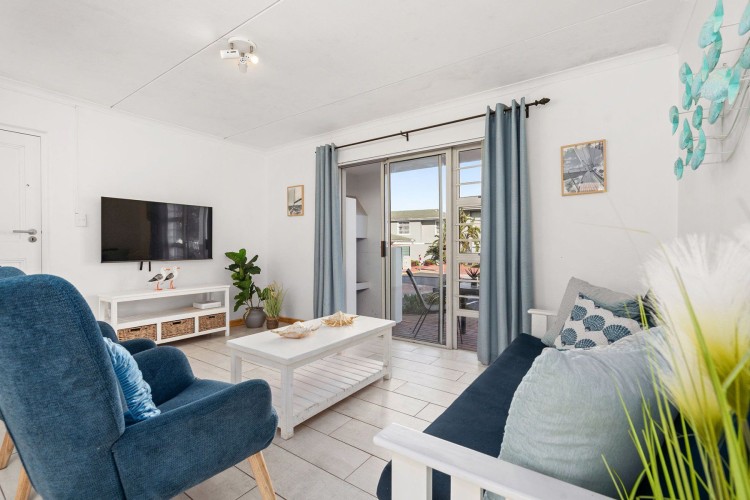
Airbnb rentals need regular cleaning and maintenance to make sure that the property remains in good condition and is always ready for other guests. Homeowners should be on top of every task, including guests’ communication, inventory inspections, housekeeping, check-ins, and check-outs.
These responsibilities can be demanding for many owners, which is why collaborating with professional property management like Host Agents is a smart choice. Our services are made to help you manage your short-term rental to the highest standard and stand out in a competitive market.
Long-term rental properties often need less daily management because tenants stay for longer periods. But property owners are still responsible for repairs and replacements throughout the rental period, including inspections and maintenance after tenants leave.
Flexibility
Long-term leases offer less freedom because homeowners and renters have a signed lease agreement and must comply with it. While Airbnb rentals offer owners more flexibility to block or review and approve bookings depending on travel plans and adjust rates based on market demand.
Legal Considerations and Regulations
Property owners need to understand that renting out short-term rentals is more strictly regulated than long-term rentals in Cape Town. The lengthy stays regulations are straightforward legally because they follow South Africa’s residential tenancy laws, while Airbnb rentals may need to follow municipal, zoning, and body corporate or homeowners’ association rules.
But no matter the rental type, problems with rent or property damage may need legal action. It’s also important for short-term rentals owners to make sure that their properties meet health and safety standards, as well as reporting all rental income to the South African Revenue Service (SARS). Host Agents can help owners meet the legal requirements and manage everything properly.
Which is Better for Cape Town Property Owners?
Homeowners should choose the rental option that fits their needs best because long-term and short-term rentals each offer different benefits in Cape Town. Choose long-term rentals for stable income or short-term rentals if you want more flexibility. Host Agents offers property management solutions to help manage your short-term rentals successfully.
CONTACT US today for any questions or leasing enquiries.